Why Live with Pain and Numbness in Your Feet?

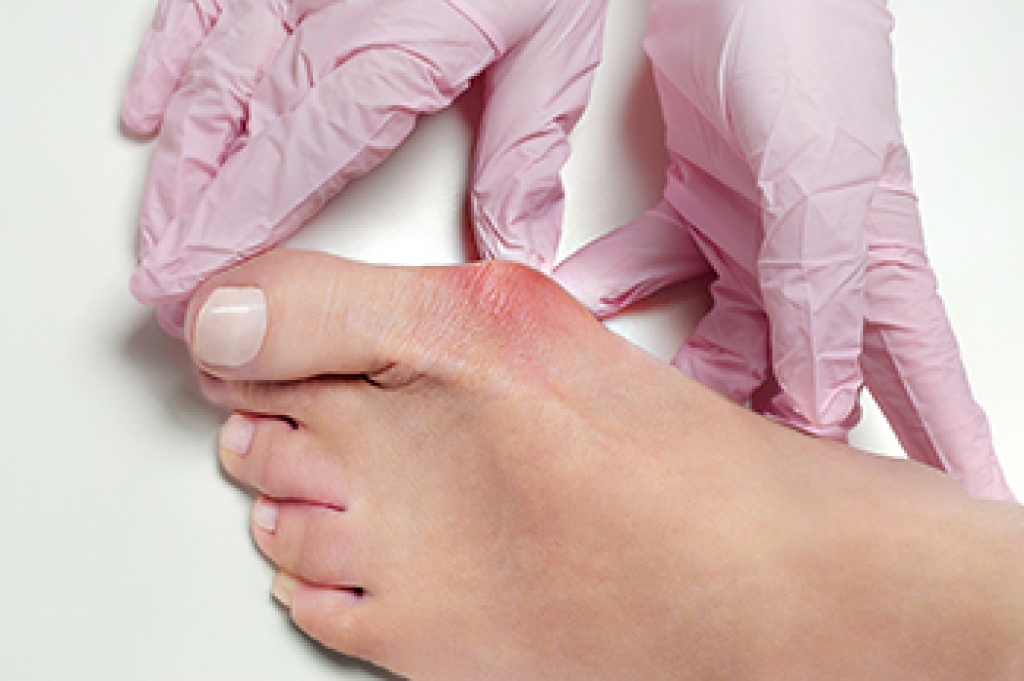
Suffering from this type of pain? You may have the foot condition known as Morton's neuroma. Morton's neuroma may develop as a result of ill-fitting footwear and existing foot deformities. We can help.

Chronic Ankle Instability After Sprains and Why It Keeps Returning

Chronic ankle instability is a condition that develops when the ankle repeatedly gives way due to weakened ligaments following an ankle sprain. It is defined as a loss of stability in the ankle joint, often caused by incomplete healing or repeated injury. When a sprain stretches or tears the supporting ligaments, the joint may not regain full strength, leaving it vulnerable to further damage. Over time, this instability can affect balance, coordination, and overall foot function.

Common symptoms of ankle instability include a feeling of the ankle giving out, especially on uneven surfaces or during physical activity. Patients may experience persistent swelling, discomfort, and tenderness around the joint. Recurrent ankle sprains are a key sign, as unstable ankle joints can easily be twisted again. Some individuals also report weakness, reduced range of motion, and difficulty maintaining balance during movement.


Several causes and risk factors contribute to the development of chronic ankle instability. A previous ankle sprain is the most significant factor, particularly if it was not properly treated or rehabilitated. Ligament laxity, muscle weakness, and poor proprioception can also increase the risk. Athletes and individuals who participate in high impact activities are more prone to repeated injuries. Wearing unsupportive footwear and walking on uneven surfaces may further increase the likelihood of instability.


Proper management is essential to restore strength and prevent future sprains. Treatment may include targeted exercises to improve balance and stability, supportive bracing, and custom orthotics to enhance alignment. Early care can reduce the risk of long term joint damage. If you have sprained your ankle, it is suggested that you consult a podiatrist who can accurately diagnose and treat this condition, which may include appropriate stretches to prevent recurring ankle sprains.

Ankle sprains are common but need immediate attention. If you need your feet checked, contact one of our podiatrists from The Foot Specialists. Our doctors can provide the care you need to keep you pain-free and on your feet.

How Does an Ankle Sprain Occur?

Ankle sprains take place when the ligaments in your ankle are torn or stretched beyond their limits. There are multiple ways that the ankle can become injured, including twisting or rolling over onto your ankle, putting undue stress on it, or causing trauma to the ankle itself.

What Are the Symptoms?

  • Mild to moderate bruising
  • Limited mobility
  • Swelling
  • Discoloration of the skin (depending on severity)

Preventing a Sprain

  • Wearing appropriate shoes for the occasion
  • Stretching before exercises and sports
  • Knowing your limits

Treatment of a Sprain

Treatment of a sprain depends on the severity.  Many times, people are told to rest and remain off their feet completely, while others are given an air cast. If the sprain is very severe, surgery may be required.

If you have suffered an ankle sprain previously, you may want to consider additional support such as a brace and regular exercises to strengthen the ankle.

If you have any questions please feel free to contact our offices located in Waltham and Milford, MA . We offer the newest diagnostic tools and technology to treat your foot and ankle needs.

Read more about Three Grades of Ankle Sprains

Choosing the Best Shoes for Your Child's Growing Feet

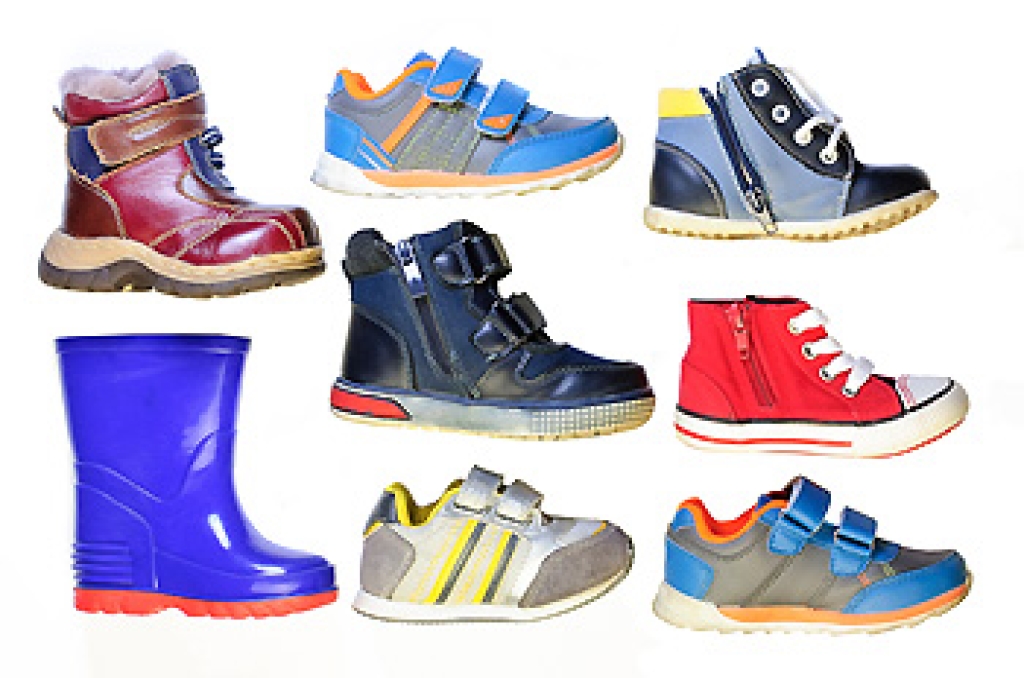
Choosing the right shoes for a child is a great way to support healthy foot development and promote comfort while walking, running, and playing. Children's feet are still growing, and the bones, muscles, and ligaments are not fully developed. Many toddlers have flat-looking feet when they first begin walking because a layer of fat hides the arch. This is usually a normal part of growth. Shoes should protect the feet while allowing natural movement. A good shoe includes a comfortable fit, enough room for the toes, and a flexible sole that bends near the front of the foot. The shoe should also have a secure fastening system, such as laces or straps, to help keep the foot stable inside the shoe.

As children become more active, shoes that fit properly become even more important. Shoes that are too tight can lead to discomfort and can contribute to problems like ingrown toenails. Shoes that are too loose can affect balance and increase the risk of tripping. Children's feet grow quickly, and changes in size can occur within a relatively short period. Some children also walk with their feet turned inward or outward during early childhood. In many cases, these walking patterns improve as strength, posture, and coordination develop. However, severe changes in walking patterns or symptoms that affect only one leg deserve professional evaluation. A podiatrist can assess foot structure, walking patterns, and shoe fit to determine whether treatment is needed.

Parents should also watch for signs that a child may be experiencing a foot problem. Warning signs include foot or heel pain, limping, or stiffness. Other concerns include persistent flat feet that limit activity, unusually shaped toes, or difficulty keeping up with other children while walking or running. A podiatrist can examine the feet, identify the cause of symptoms, and recommend appropriate treatment. Professional guidance can also help parents choose shoes that support healthy growth and comfortable movement. If your child has foot pain or if you need help in managing your child's foot health, it is suggested that you schedule an appointment with a podiatrist.

The health of a child’s feet is vital to their overall well-being. If you have any questions regarding foot health, contact one of our podiatrists of The Foot Specialists. Our doctors can provide the care you need to keep you pain-free and on your feet.

Tips for Keeping Children's Feet Healthy

  • Make sure their shoes fit properly
  • Look for any signs of in-toeing or out-toeing
  • Check to see if they have Clubfoot (condition that affects your child’s foot and ankle, twisting the heel and toes inward) which is one of the most common nonmajor birth defects.
  • Lightly cover your baby’s feet (Tight covers may keep your baby from moving their feet freely, and could prevent normal development)
  • Allow your toddler to go shoeless (Shoes can be restricting for a young child’s foot)
  • Cut toenails straight across to avoid ingrown toenails
  • Keep your child’s foot clean and dry
  • Cover cuts and scrapes. Wash any scratches with soap and water and cover them with a bandage until they’ve healed.

If you have any questions, please feel free to contact our offices located in Waltham and Milford, MA . We offer the newest diagnostic and treatment technologies for all your foot care needs.

Read more about What to Do to Keep Your Child’s Feet Healthy
scroll to top